
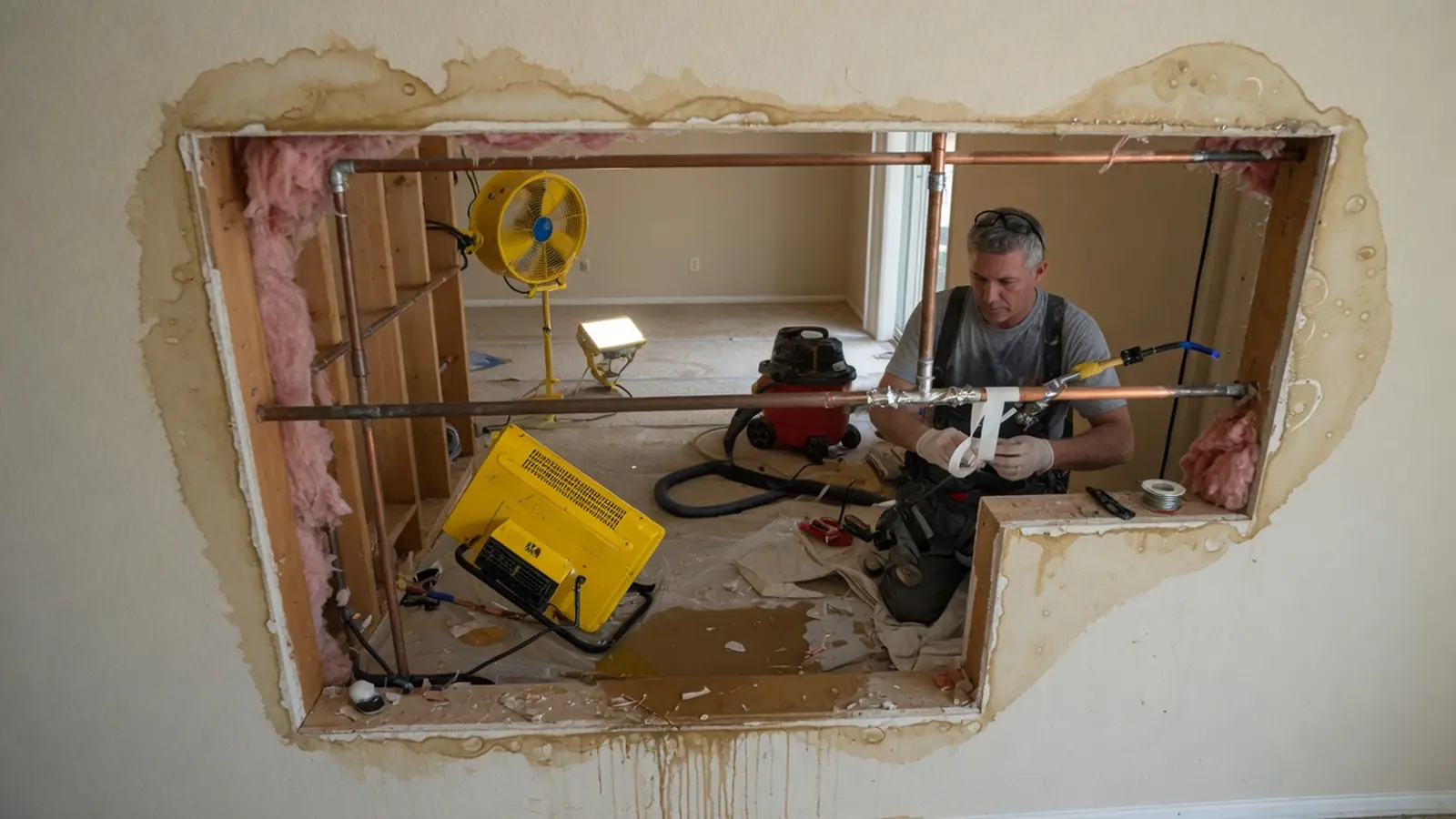
Melbourne Hurricane Surge Cleanup
When ocean water invades coastal living spaces, immediate extraction and mineral decontamination are critical to saving structural framing. Our certified technicians mobilize industrial pumping systems and deep freshwater flushes to stop corrosive saltwater destruction before mold takes root.
Call (321) 555-0161 if water is running now.
Prefer to talk? (321) 555-0161
Space Coast Disaster Recovery
Census ACS 5-year estimates record 40,311 housing units across the local area, where the median owner-occupied home was built in 1985.
About 21% of housing units in the area (8,287 of 40,311) were built since 2000, meaning a substantial share of the local stock is still on its original structural and utility systems.
Overland floodwater entering a home is classified as Category 3 black water, requiring porous items like drywall and carpet pad to be cut out and discarded rather than dried in place.
Our certified crew provides comprehensive water damage restoration for flooded coastal properties using heavy-duty pumping equipment and deep structural rinses.
Every recovery project adheres to strict containment measures to prevent cross-contamination while stabilizing residential framing.
Systematic Coastal Surge Extraction
Discover how our technicians manage emergency flood cleanup after major storm events through aggressive water extraction, salt decontamination, and controlled structural drying.
- Hazard Assessment And Make-Safe Stabilization. Compromised, water-logged building structures must be stabilized or removed immediately to make the site safe before operating extraction equipment, addressing the urgent structural safety priorities highlighted in trade restoration videos. Submerged electrical outlets, wiring, and ductwork exposed to brackish coastal storm surge suffer accelerated galvanic corrosion and must be decommissioned and replaced rather than dried.
- Water Extraction And Controlled Flood Cuts. Homeowners managing coastal flood damage face uncertainty regarding appropriate drywall cut heights and drying times for structural framing to prevent mold, so our crew establishes laser-guided cut lines above the water mark. In regional low-elevation areas, standing stormwater frequently saturates slab foundations and wicks moisture up interior wall studs long after yard ponding recedes, making deep wall cavity inspection vital.
- Freshwater Flushing And Antimicrobial Treatment. Saltwater storm surge deposits hygroscopic minerals that continually pull moisture from humid air, requiring thorough freshwater flushing before dehumidifiers can dry structural framing. As homeowners often describe in public discussions, topical bleach treatments fail to kill mold roots embedded in damp framing timber, requiring drywall flood cuts and commercial antimicrobial remediation.
- Dehumidification And Mold Remediation Sequencing. A critical sequencing rule emphasized in niche restoration videos is that active mold remediation must occur before structural drying or rebuilding begins to prevent forced airflow from spreading spores across unaffected rooms. Once treated, high-velocity air movers and low-grain refrigerant dehumidifiers run continuously until wood moisture probes confirm structural framing has reached baseline equilibrium.
Our Uncompromising Restoration Standard
We back every surge response project with industry-leading diagnostic equipment, documented moisture logs, and certified structural mold remediation to protect framing timber from long-term fungal decay. Our teams never take shortcuts on freshwater rinsing or antimicrobial application because incomplete cleanup inevitably causes hidden structural failure.
Storm Surge Water Extraction
Industrial submersible pumps and truck-mounted extractors rapidly draw down flooded living spaces and crawl spaces. Removing standing brackish water within hours mitigates structural saturation and halts rapid fastener deterioration.
Structural Saltwater Washout
Residual ocean salts continuously draw humidity into exposed framing members. Our technicians perform high-volume freshwater rinsing and apply hospital-grade antimicrobials directly to saturated wall studs and sill plates.
Flood Cut And Debris Removal
Contaminated insulation, carpet padding, and porous drywall are removed above the peak surge line. We bag and dispose of bio-hazardous debris safely according to coastal waste handling protocols.
Dedicated Coastal Disaster Response
Our technicians combine heavy extraction machinery with meticulous environmental monitoring to restore properties compromised by Atlantic and lagoon surges. We approach every flooded home with prompt mobilization, rigorous moisture diagnostics, and open communication from initial pumpout to final sign-off.
- 12Zip Codes Served
- 8Service Areas
- 3Services Offered
Local residents trust our emergency response crews to rescue their properties from ocean surge and severe coastal flooding. Here is what property owners share about our workmanship and communication.
“Our street has strict HOA guidelines regarding exterior dumpsters and staging equipment after a storm. The crew coordinated placement directly with our association board and kept the entire driveway contained while hauling out waterlogged drywall. They handled the cleanup without causing friction with anyone next door.”
Marcus R.
“Six months after the surge receded, our subfloors and baseboards show zero signs of lingering mold or salt corrosion. The team took the extra time to flush the framing with clean water before setting up their commercial dehumidifiers. Living back in the house now, the air smells completely clean and the moisture levels remain normal.”
Elena T.
“Caring for my elderly mother while our ground floor took on seawater felt overwhelming. The crew kept designated pathways clear of heavy hoses and power cords so she could move safely with her walker during the extraction. Their thoughtfulness throughout the entire structural drying process meant the world to our family.”
David K.
“Another contractor offered a lowball quote promising they could simply dry our carpet pad and spray topical sanitizer. This company explained why Category 3 coastal water requires removing contaminated porous materials and stripping damaged electrical outlets. Choosing them saved us from having hidden structural decay behind our baseboards down the road.”
Rachel V.
Frequently Asked Questions
How soon after hurricane storm surge recedes does saltwater start permanently corroding structural fasteners, appliances, and electrical circuits?
Saltwater initiates irreversible galvanic corrosion on fasteners, appliances, and wiring within twenty-four to forty-eight hours after storm surge recedes. Submerged electrical outlets, wiring, and ductwork exposed to brackish coastal storm surge suffer accelerated galvanic corrosion and must be decommissioned and replaced rather than dried.
Why must porous drywall and carpet padding be removed rather than dried after surge flooding?
Porous materials exposed to Category 3 overland floodwaters absorb bio-contaminants and dangerous microbes that cannot be safely sanitized in place. Overland floodwater entering a home is classified as Category 3 black water, requiring porous items like drywall and carpet pad to be cut out and discarded rather than dried in place.
Why does structural framing require freshwater washing before dehumidification?
Surge water deposits hygroscopic salt crystals into lumber pores that attract atmospheric moisture until flushed thoroughly with fresh water. Saltwater storm surge deposits hygroscopic minerals that continually pull moisture from humid air, requiring thorough freshwater flushing before dehumidifiers can dry structural framing.
Why does moisture persist in interior wall studs after yard flooding recedes?
Subsurface storm runoff saturates concrete slabs, creating continuous capillary draw that pulls water upward into framing studs long after drainage. In regional low-elevation areas, standing stormwater frequently saturates slab foundations and wicks moisture up interior wall studs long after yard ponding recedes.
Can topical bleach treatments eliminate mold growth on surge-damaged wall studs?
Topical household bleach cannot penetrate damp framing timbers to eradicate embedded fungal roots and only clears surface discoloration. Topical bleach treatments fail to kill mold roots embedded in damp framing timber, requiring drywall flood cuts and commercial antimicrobial remediation.